Chapter 1: Introduction: The Nature of Science and Physics
36 problems solved · Free preview of every solution shows how it’s started · Watch the full videos with a free 7-day trial →
Image: NASA, JPL-Caltech, P. Barmby, Harvard-Smithsonian Center for Astrophysics.


Section
1.2 Physical Quantities and Units
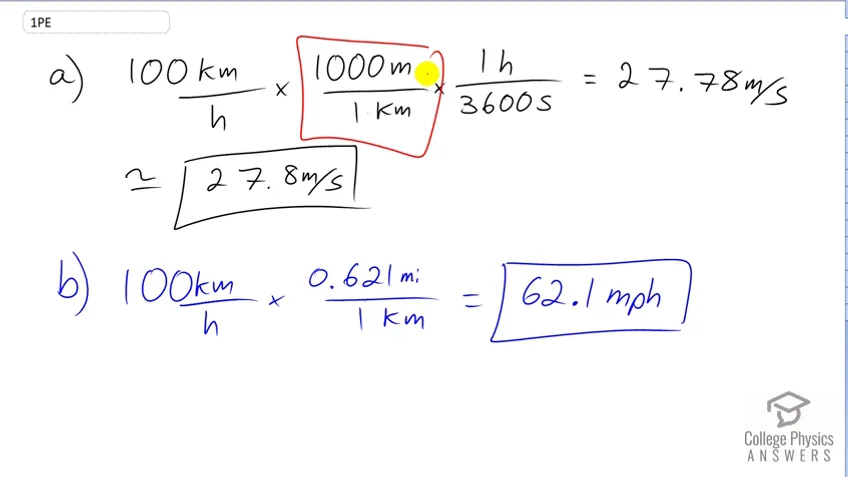 2:11Problem 1FreeThe speed limit on some interstate highways is roughly 100 km/h. (a) What is this in meters per second? (b) How many miles per hour is this?
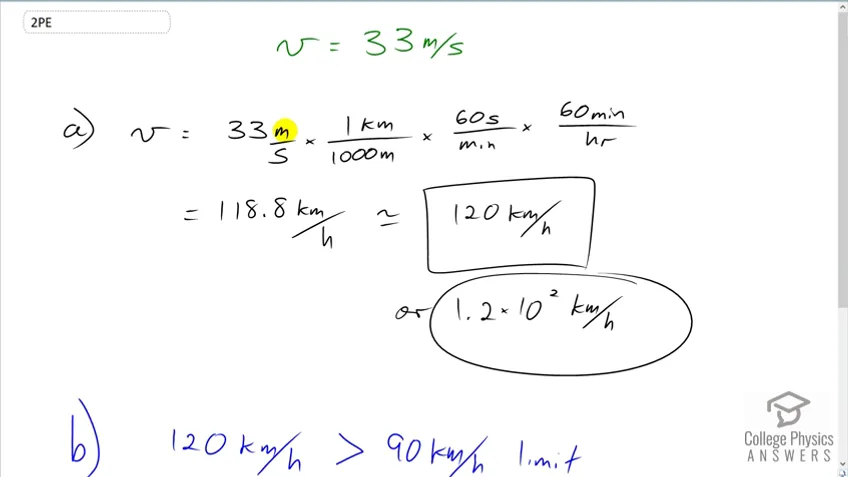 2:31PreviewProblem 2Full video with free trialA car is traveling at a speed of 33 m/s. (a) What is its speed in kilometers per hour? (b) Is it exceeding the 90 km/h speed limit?
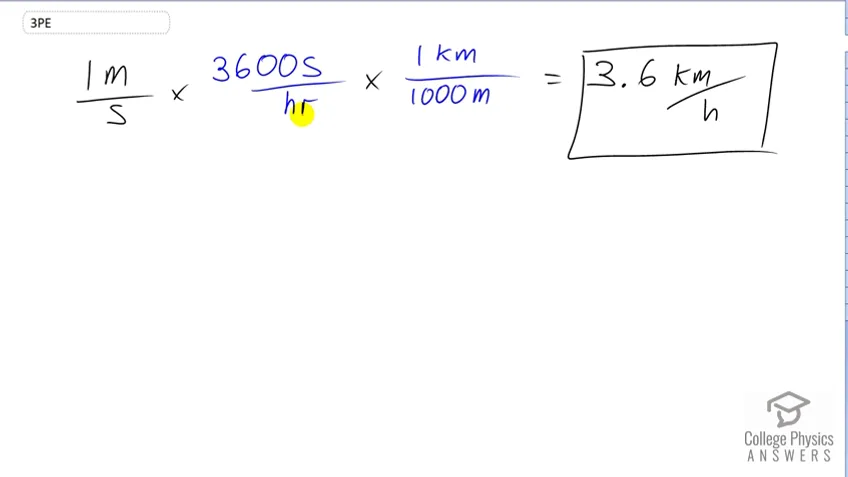 1:26PreviewProblem 3Full video with free trialShow that . Hint: Show the explicitsteps involved in converting
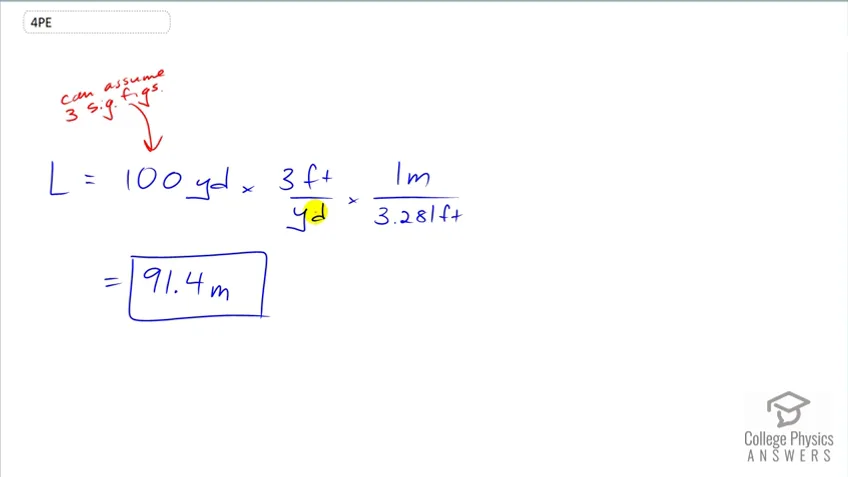 1:08PreviewProblem 4Full video with free trialAmerican football is played on a 100-yd-long field, excluding the end zones. How long is the field in meters? (Assume that 1 meter equals 3.281 feet.)
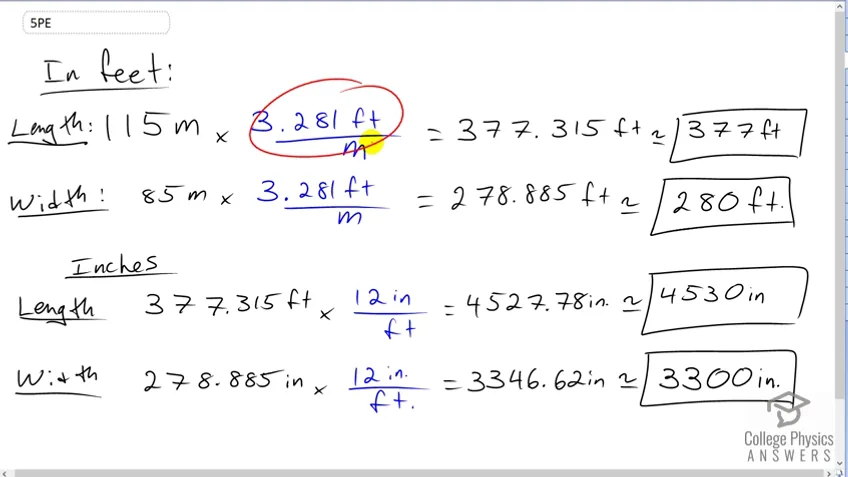 2:44PreviewProblem 5Full video with free trialSoccer fields vary in size. A large soccer field is 115 m long and 85 m wide. What are its dimensions in feet and inches? (Assume that 1 meter equals 3.281 feet.)
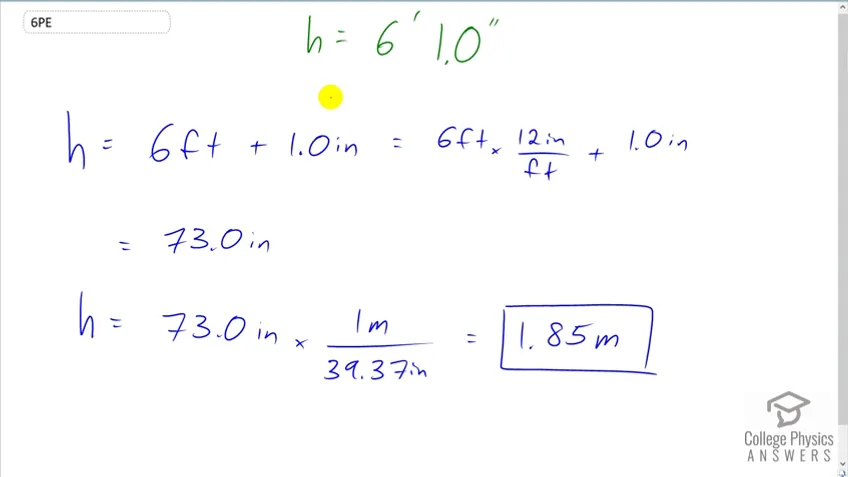 2:34PreviewProblem 6Full video with free trialWhat is the height in meters of a person who is 6 ft 1.0 in. tall? (Assume that 1 meter equals 39.37 in.)
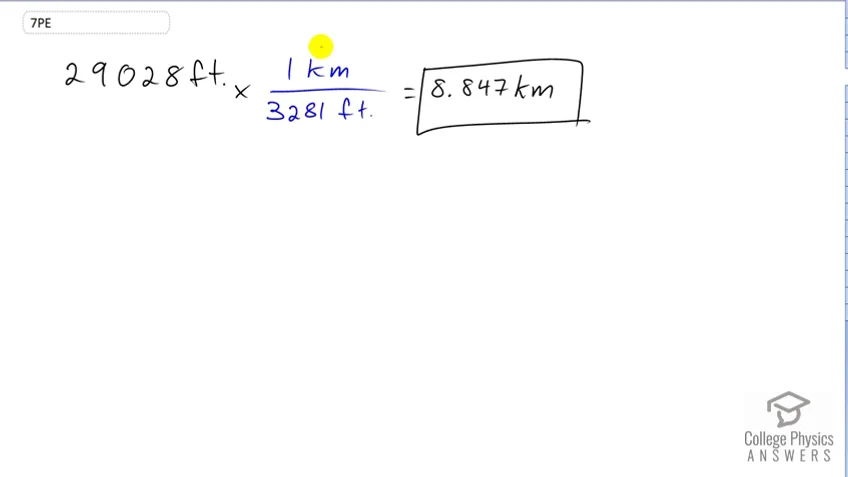 0:55PreviewProblem 7Full video with free trialMount Everest, at 29,028 feet, is the tallest mountain on the Earth. What is its height in kilometers? (Assume that 1 kilometer equals 3,281 feet.)
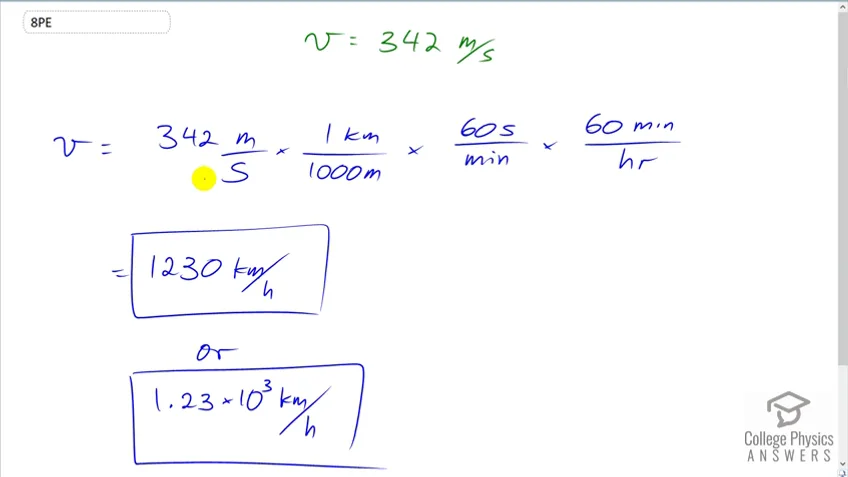 1:42PreviewProblem 8Full video with free trialThe speed of sound is measured to be 342 m/s on a certain day. What is this in km/h?
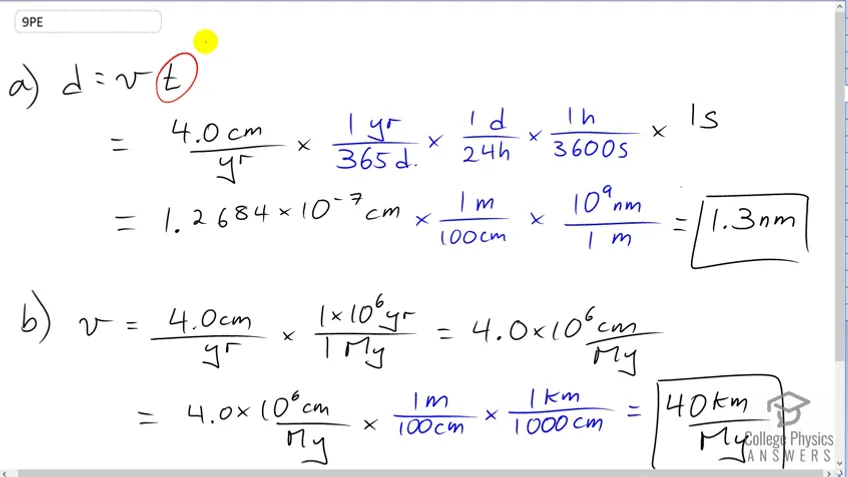 3:44PreviewProblem 9Full video with free trialTectonic plates are large segments of the Earth's crust that move slowly. Suppose that one such plate has an average speed of 4.0 cm/year. (a) What distance does it move in 1 s at this speed? (b) What is its speed in kilometers per million years?
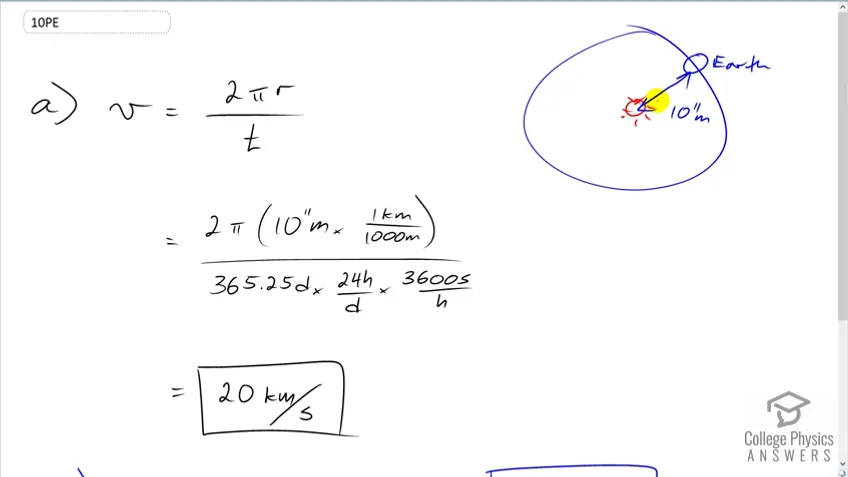 2:41PreviewProblem 10Full video with free trial(a) Refer to Table 1.3 to determine the average distance between the Earth and the Sun. Then calculate the average speed of the Earth in its orbit in kilometers per second. (b) What is this in meters per second?
1.3 Accuracy, Precision, and Significant Figures
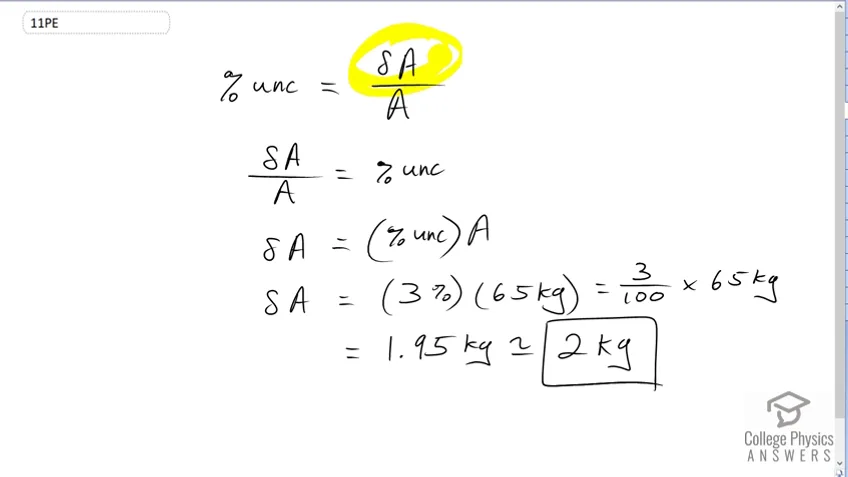 1:41PreviewProblem 11Full video with free trialSuppose that your bathroom scale reads your mass as 65 kg with a 3% uncertainty. What is the uncertainty in your mass (in kilograms)?
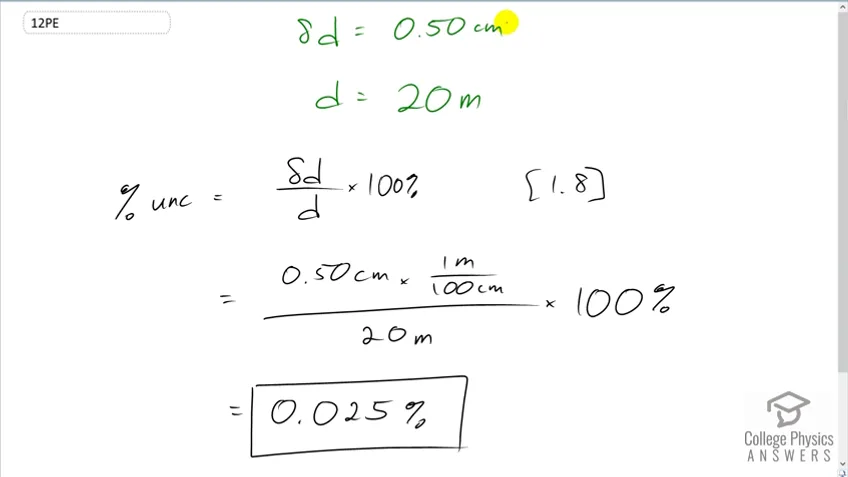 1:12PreviewProblem 12Full video with free trialA good-quality measuring tape can be off by 0.50 cm over a distance of 20 m. What is its percent uncertainty?
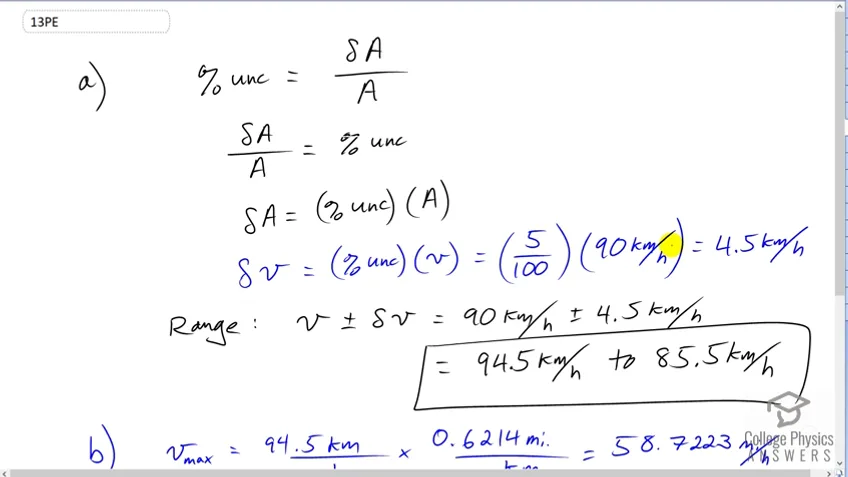 3:02PreviewProblem 13Full video with free trial(a) A car speedometer has a 5.0% uncertainty. What is the range of possible speeds when it reads ? (b) Convert this range to miles per hour. ()
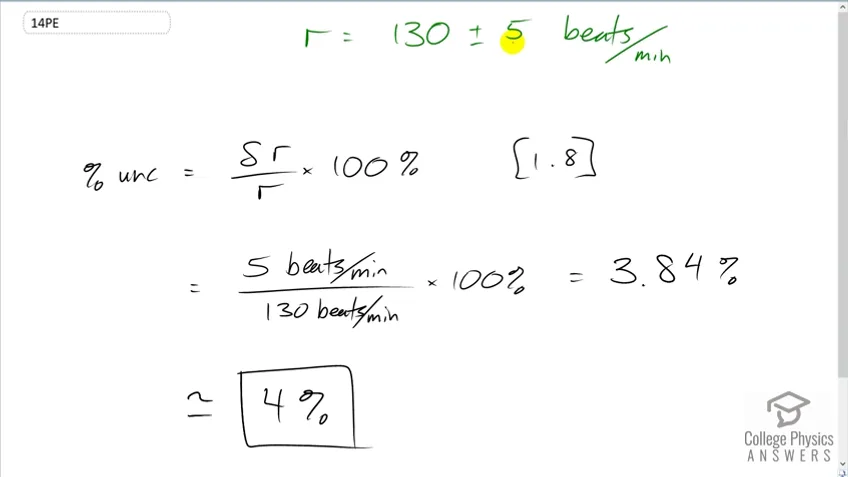 1:15PreviewProblem 14Full video with free trialAn infant's pulse rate is measured to be . What is the percent uncertainty in this measurement?
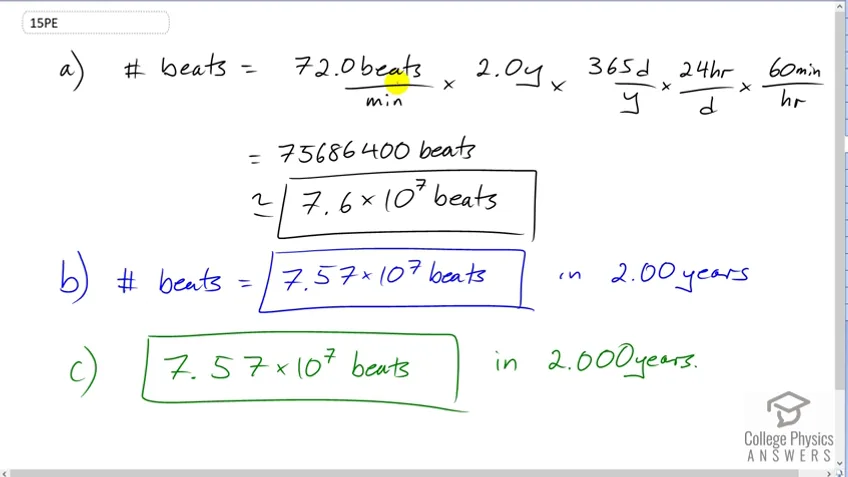 3:23PreviewProblem 15Full video with free trial(a) Suppose that a person has an average heart rate of 72.0 beats/min. How many beats does he or she have in 2.0 y? (b) In 2.00 y? (c) In 2.000 y?
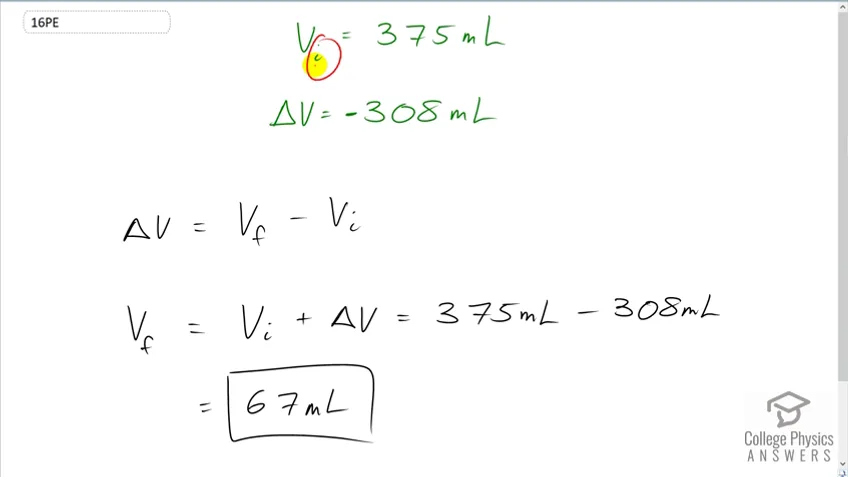 2:53PreviewProblem 16Full video with free trialA can contains 375 mL of soda. How much is left after 308 mL is removed?
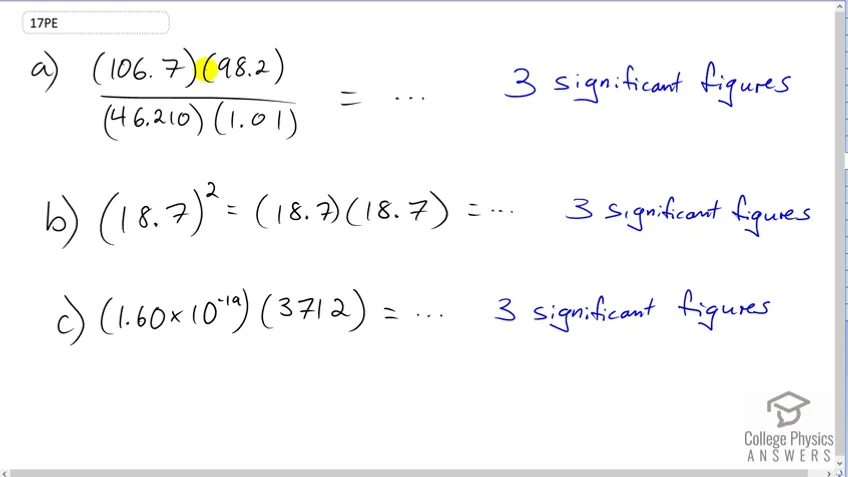 1:07PreviewProblem 17Full video with free trialState how many significant figures are proper in the results of the following calculations: (a) (b) (c)
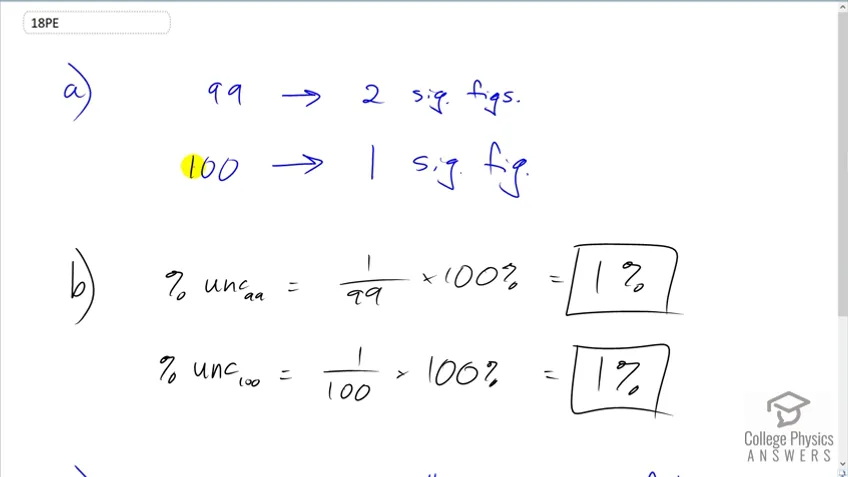 1:27PreviewProblem 18Full video with free trial(a) How many significant figures are in the numbers 99 and 100? (b) If the uncertainty in each number is 1, what is the percent uncertainty in each? (c) Which is a more meaningful way to express the accuracy of these two numbers, significant figures or percent uncertainties?
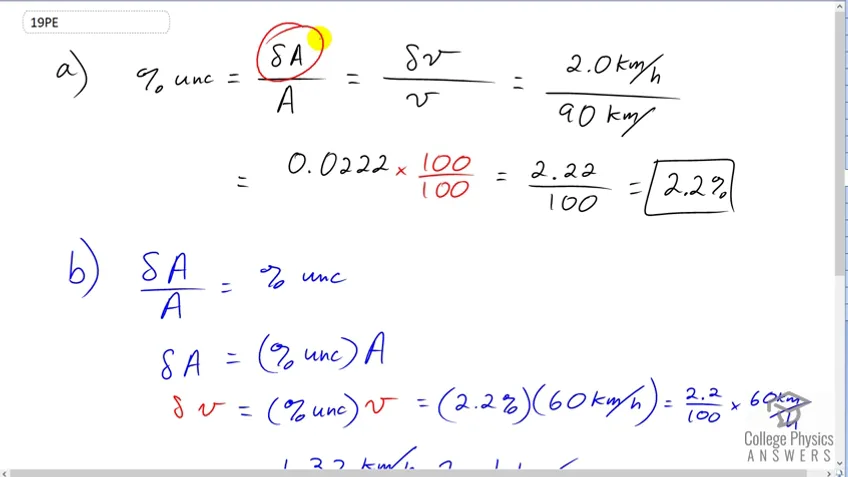 5:13PreviewProblem 19Full video with free trial(a) If your speedometer has an uncertainty of 2.0 km/h at a speed of 90 km/h , what is the percent uncertainty? (b) If it has the same percent uncertainty when it reads 60 km/h , what is the range of speeds you could be going?
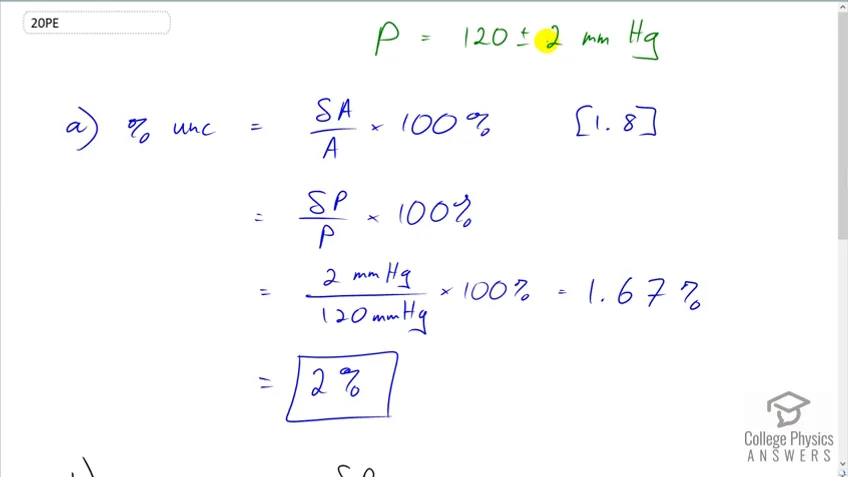 2:30PreviewProblem 20Full video with free trial(a) A person's blood pressure is measured to be . What is its percent uncertainty? (b) Assuming the same percent uncertainty, what is the uncertainty in a blood pressure measurement of 80 mm Hg?
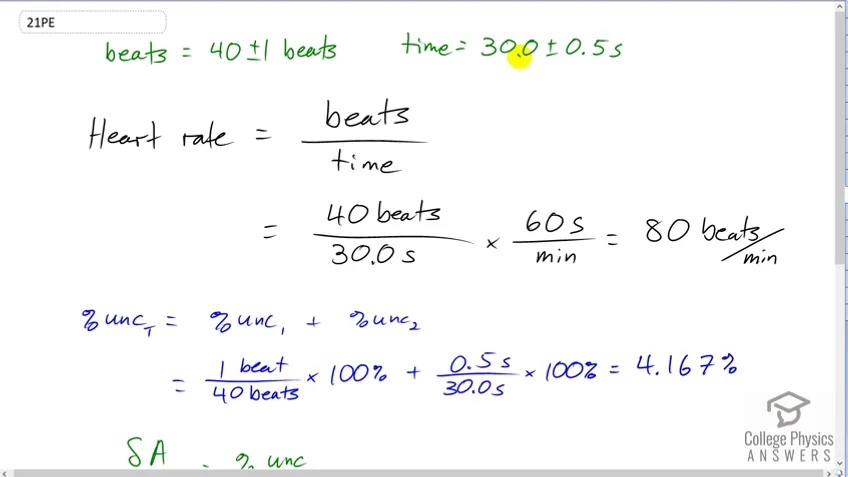 4:19PreviewProblem 21Full video with free trialA person measures his or her heart rate by counting the number of beats in . If beats are counted in
, what is the heart rate and its uncertainty in beats per minute?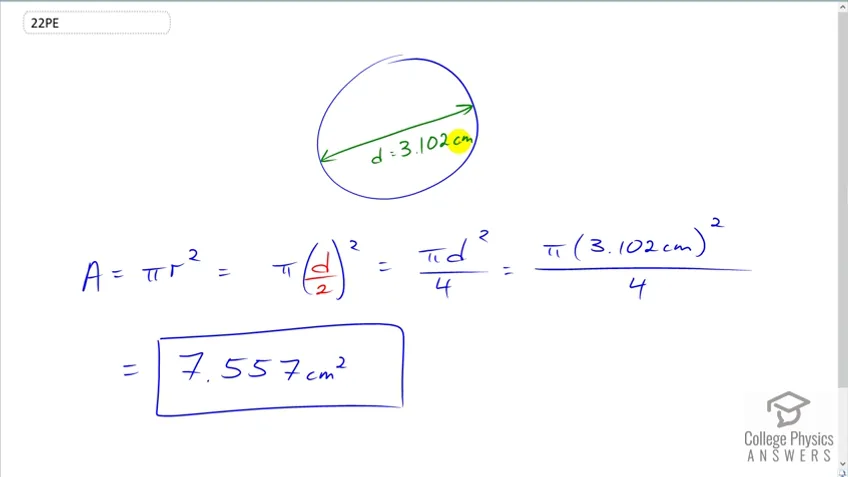 1:17PreviewProblem 22Full video with free trialWhat is the area of a circle 3.102 cm in diameter?
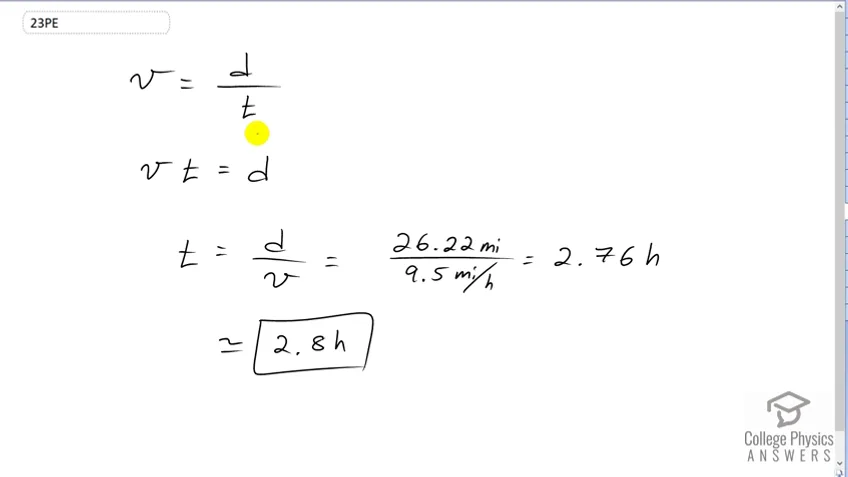 1:21PreviewProblem 23Full video with free trialIf a marathon runner averages 9.5 mi/h, how long does it take him or her to run a 26.22 mi marathon?
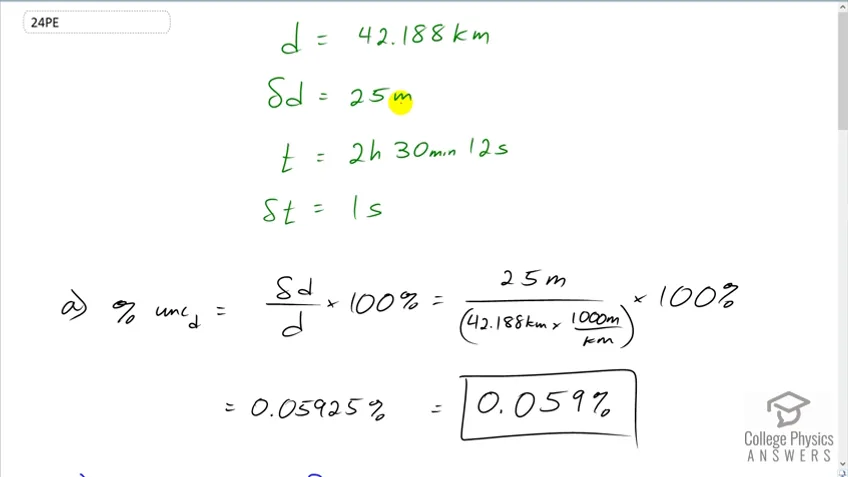 6:28PreviewProblem 24Full video with free trialA marathon runner completes a 42.188 km course in 2 h, 30 min, and 12 s. There is an uncertainty of 25 m in the distance traveled and an uncertainty of 1 s in the elapsed time. (a) Calculate the percent uncertainty in the distance. (b) Calculate the uncertainty in the elapsed time. (c) What is the average speed in meters per second? (d) What is the uncertainty in the average speed?
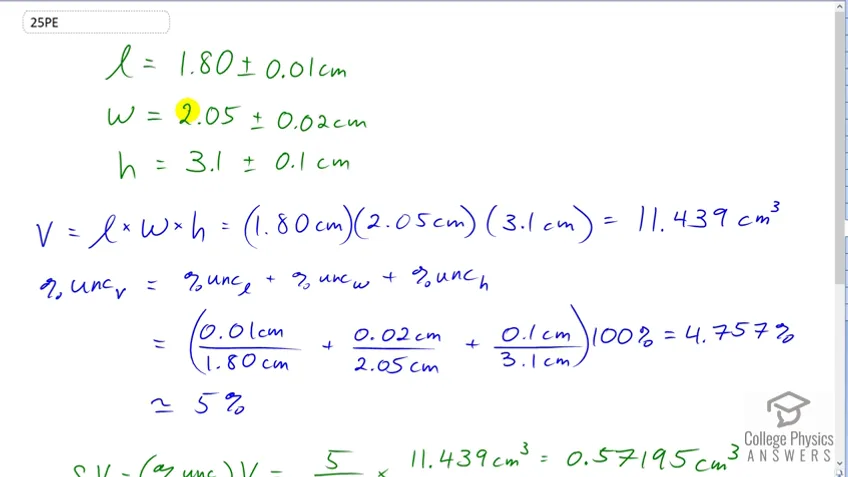 3:56PreviewProblem 25Full video with free trialThe sides of a small rectangular box are measured to be , long. Calculate its volume and uncertainty in cubic centimeters.
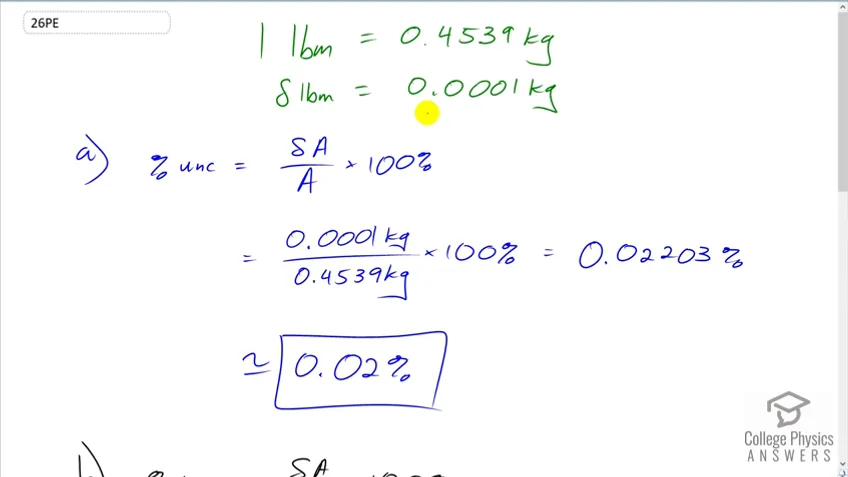 2:48PreviewProblem 26Full video with free trialWhen non-metric units were used in the United Kingdom, a unit of mass called the pound-mass (lbm) was employed, where 1 lbm = 0.4539 kg . (a) If there is an uncertainty of 0.0001 kg in the pound-mass unit, what is its percent uncertainty? (b) Based on that percent uncertainty, what mass in pound-mass has an uncertainty of 1 kg when converted to kilograms?
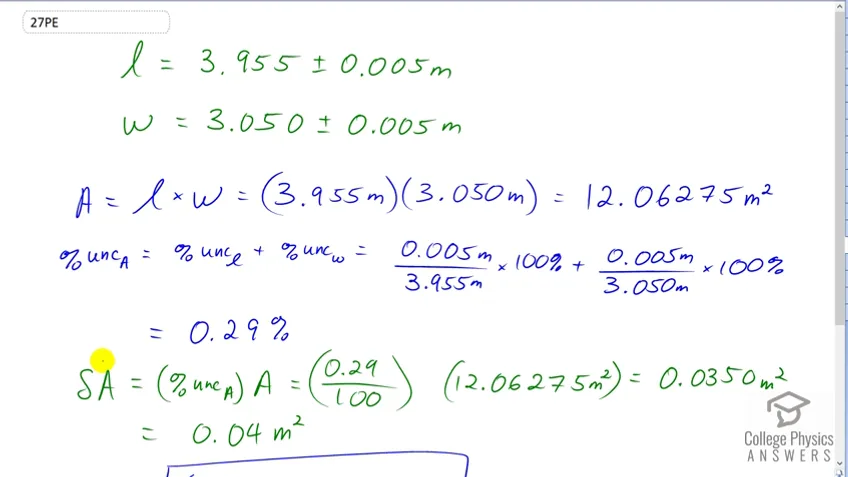 2:43PreviewProblem 27Full video with free trialThe length and width of a rectangular room are measured to be and . Calculate the area of the room and its uncertainty in square meters.
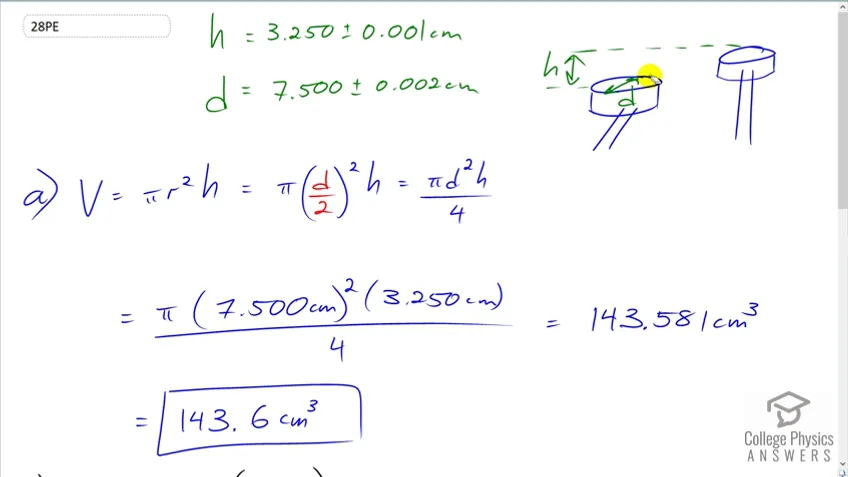 4:36PreviewProblem 28Full video with free trialA car engine moves a piston with a circular cross section of diameter a distance of to compress the gas in the cylinder. (a) By what amount is the gas decreased in volume in cubic centimeters? (b) Find the uncertainty in this volume.
1.4 Approximation
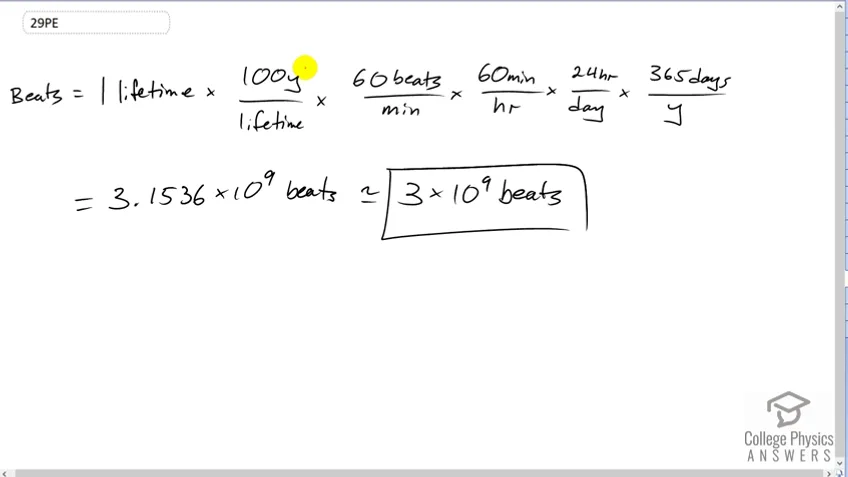 1:50PreviewProblem 29Full video with free trialHow many heartbeats are there in a lifetime?
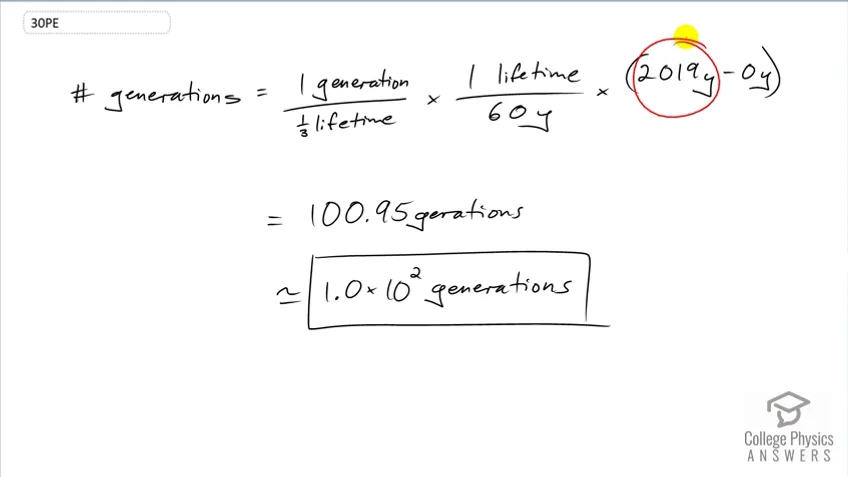 1:49PreviewProblem 30Full video with free trialA generation is about one-third of a lifetime. Approximately how many generations have passed since the year 0 AD?
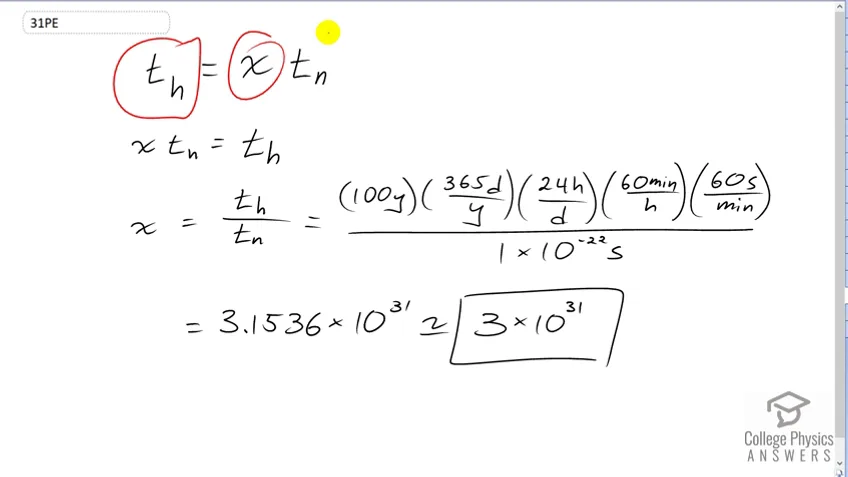 2:32PreviewProblem 31Full video with free trialHow many times longer than the mean life of an extremely unstable atomic nucleus is the lifetime of a human? (Hint: The lifetime of an unstable atomic nucleus is on the order of .)
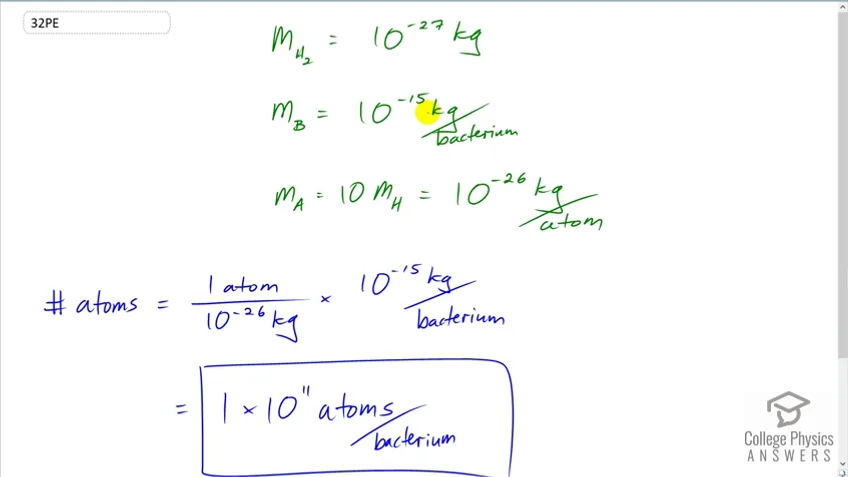 1:32PreviewProblem 32Full video with free trialCalculate the approximate number of atoms in a bacterium. Assume that the average mass of an atom in the bacterium is ten times the mass of a hydrogen atom. (Hint: The mass of a hydrogen atom is on the order of and the mass of a bacterium is on the order of )
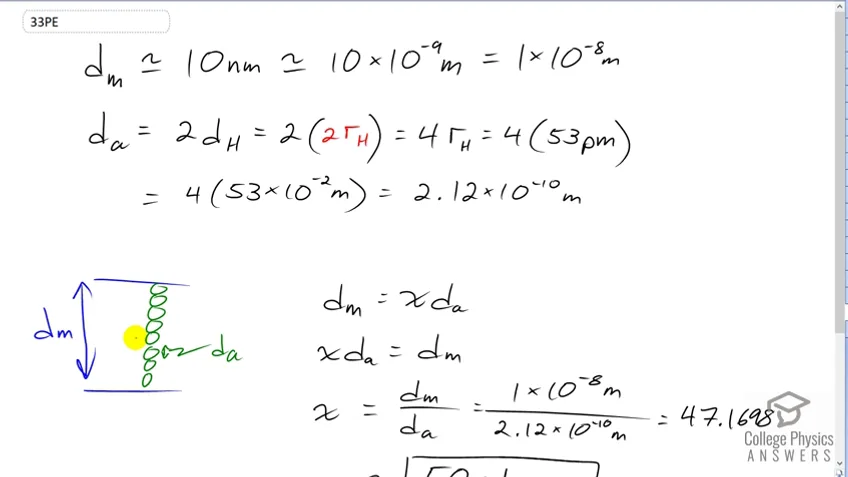 2:59PreviewProblem 33Full video with free trialApproximately how many atoms thick is a cell membrane, assuming all atoms there average about twice the size of a hydrogen atom?
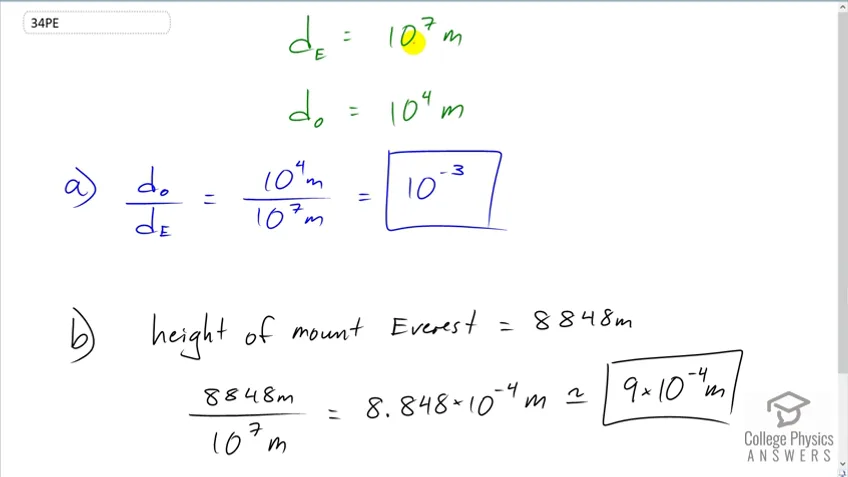 1:12PreviewProblem 34Full video with free trial(a) What fraction of Earth's diameter is the greatest ocean depth? (b) The greatest mountain height?
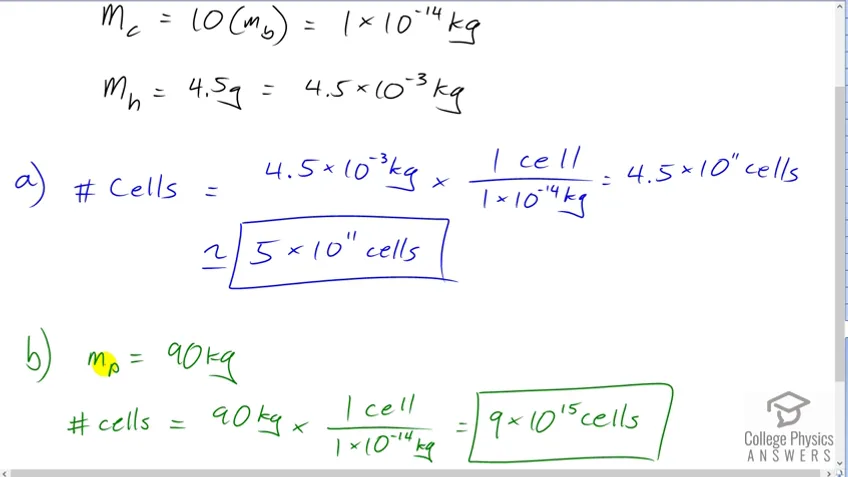 1:17PreviewProblem 35Full video with free trial(a) Calculate the number of cells in a hummingbird assuming the mass of an average cell is ten times the mass of a bacterium. (b) Making the same assumption, how many cells are there in a human?
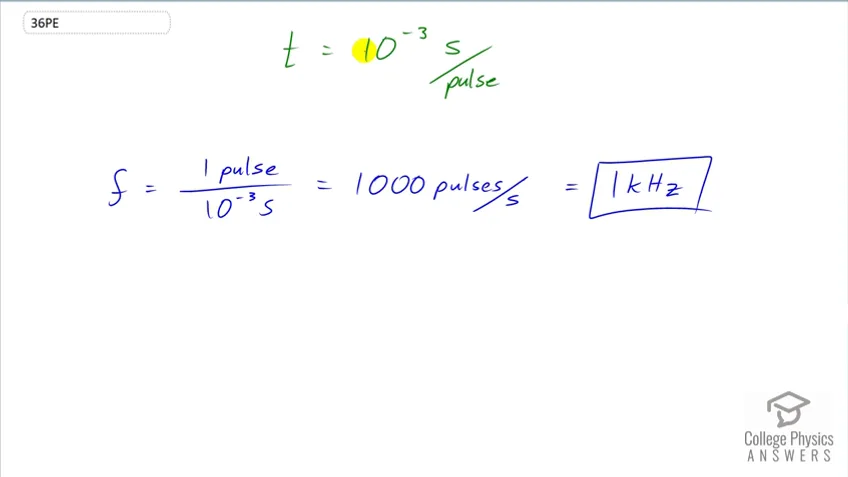 1:09PreviewProblem 36Full video with free trialAssuming one nerve impulse must end before another can begin, what is the maximum firing rate of a nerve in impulses per second?